
Anatomy of a Fake: How Turkish Media Passed Off a Craniotomy as "Torture in Israeli Prisons"
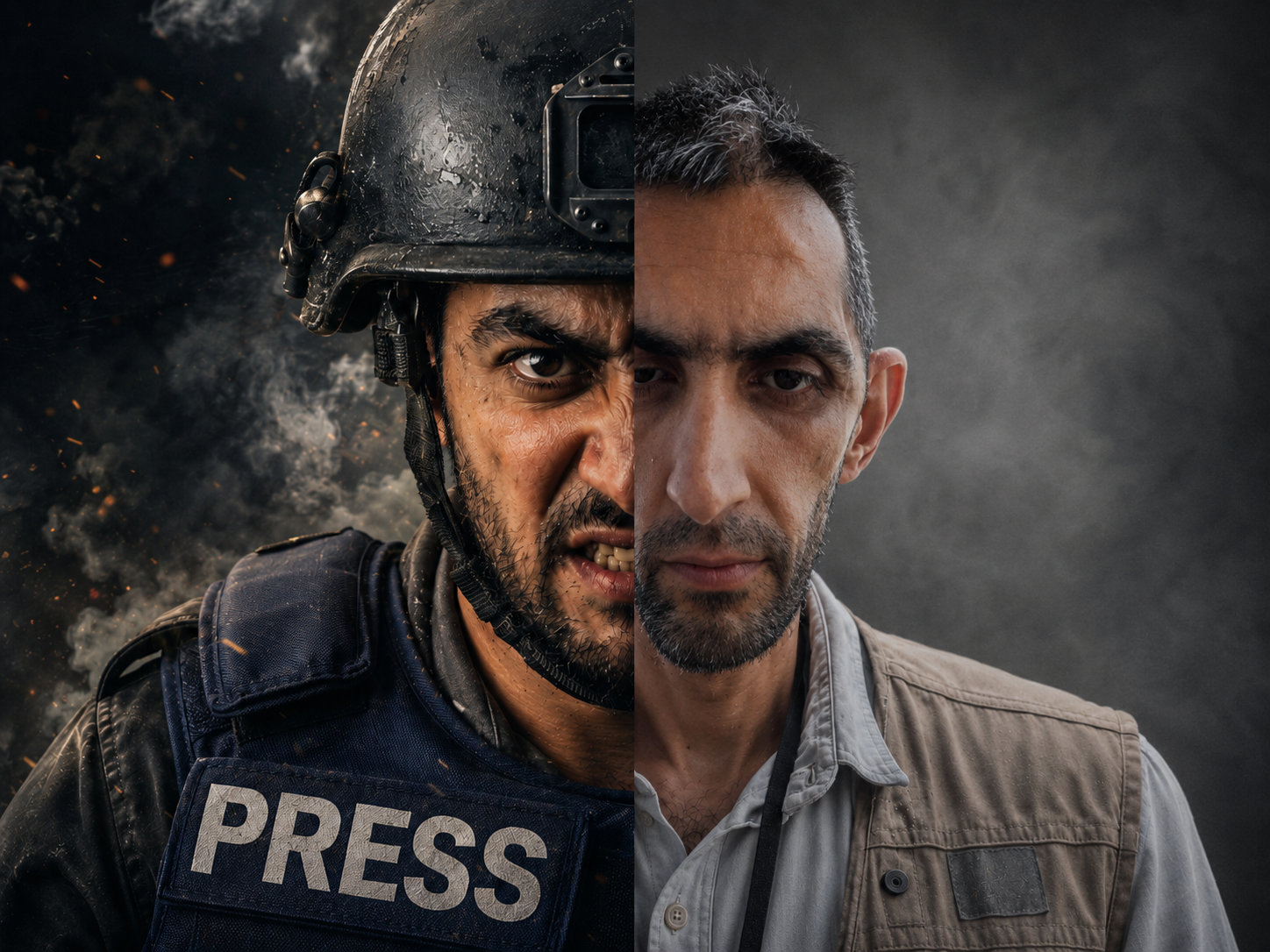
On Wednesday, June 24, the major Russian-language Turkish publication Yenisafak_ru published a heartbreaking news story on its platforms: "The Effect of Israeli Prisons: Palestinian Journalist Released After 14 Months of Incarceration."
The article details the fate of Palestinian journalist Mujahid bin (Bani) Muflikh from the town of Beita, south of Nablus, who spent 14 months in an Israeli prison. "The released man appears before us in severe physical condition, reflecting the scale of the suffering he endured in captivity."
The article is illustrated with two photos: the smiling face of a healthy, well-fed man in his prime, next to an emaciated man missing part of his head, as if someone had sawn off a third of his skull on the left side. It is hard not to sympathize!
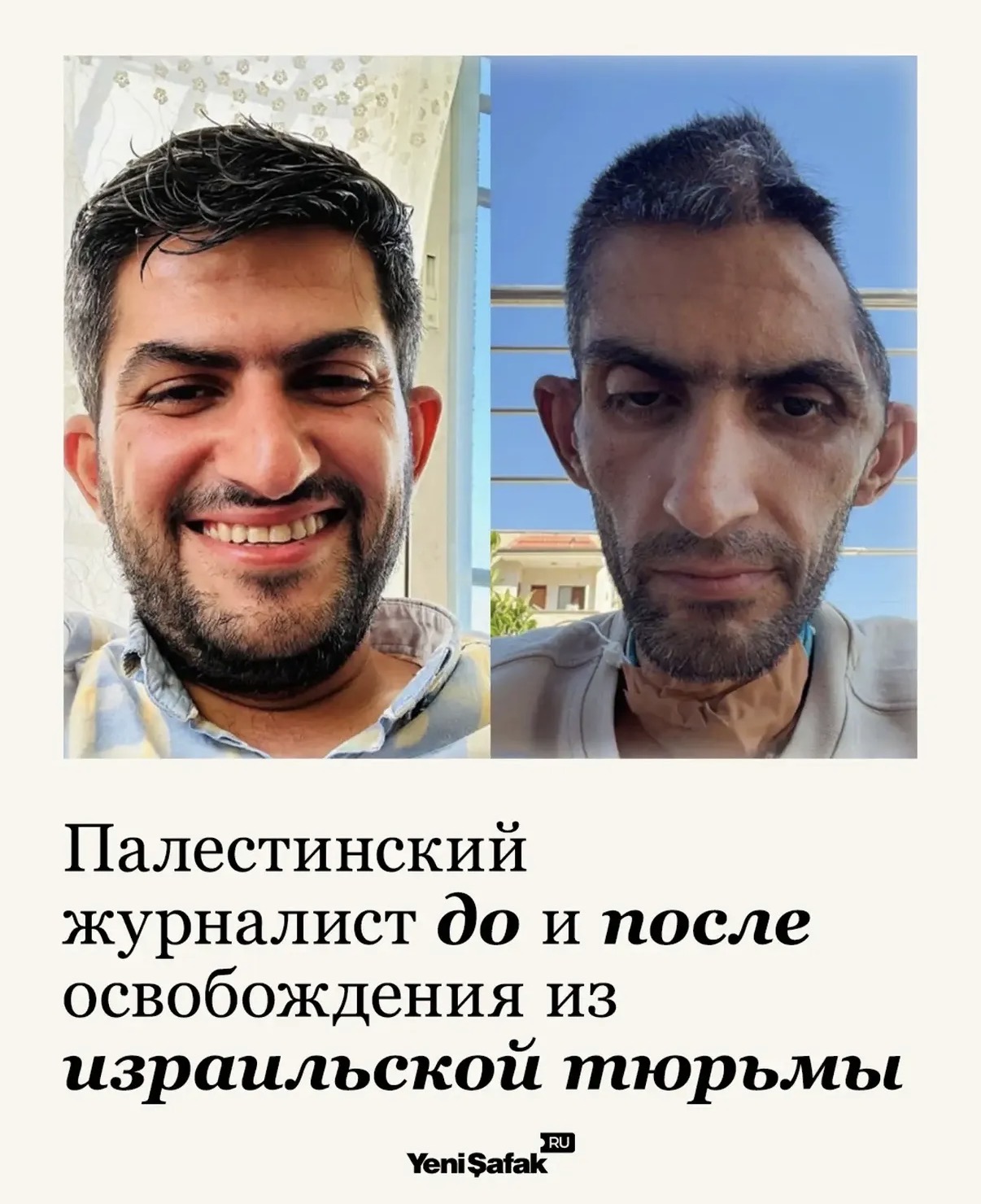
Translation: Palestinian journalist before and after release from an Israeli prison
As usual, in the comments, an impassioned audience enthusiastically curses the Zionist aggressor for torturing an unarmed journalist in the dungeons and wishes the victim a speedy recovery.
But if we set aside all emotions and look for the real story of Mujahid bin Muflikh, we can find a publication about his release from an Israeli prison dated January 15, 2026, from the "Palestinian Information Center." This was published six months before the Yenisafak_ru article.
According to the source, just three days after his release, Mujahid suffered a life-threatening brain hemorrhage and fell into a coma. His family reported that the health issues began due to severe breathing difficulties and blood pressure spikes immediately upon returning from prison.
Important detail: In the January photos, taken right after his release, we see a smiling, well-fed man, content with life, with his skull in its original, intact shape.
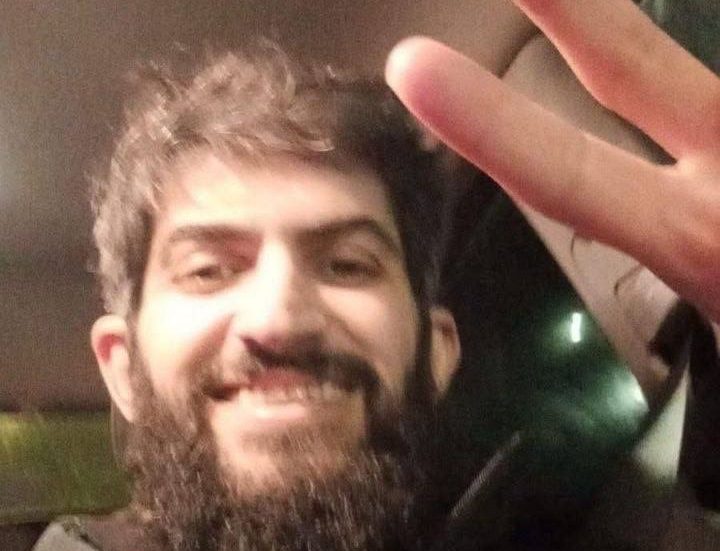
Did he leave prison with his head intact? Yes.
- Fact One: Muflikh left the prison walls completely unharmed. In the January photographs taken immediately after his release, the shape of his skull is in pristine condition. There are no injuries, deformities, or signs that "part of his head was sawn off" in the dungeons.
- Fact Two: Neither the journalist himself, nor his family, nor human rights defenders reported any traumatic brain injuries sustained in prison on the day of his release. (They only mentioned type 2 diabetes and a probable spike in blood pressure.)
Where did the skull deformity come from?
A few days after returning home, Muflikh suffered a massive stroke (the exact causes are not publicly available). He fell into a coma and was urgently hospitalized in Ramallah.
To save his life and relieve critical brain swelling, Palestinian doctors had to perform a decompressive craniectomy—removing a portion of his skull bone. That horrifying hollow on his head, which the Turkish publication uses to illustrate the "horrors of Zionist dungeons," is actually a surgical scar and a missing bone flap.
The Mechanics of Propaganda: How the Fake Works
The creators of this fake acted clumsily but calculatedly. They took a real medical tragedy (a stroke that occurred in freedom) and attached shocking post-operative photos to it, completely distorting the context.
The manipulation scheme:
- Take a photo of a person who has undergone a severe craniotomy.
- Ignore the fact that the operation was performed by civilian doctors after his release.
- Place the photo under the headline "The Effect of Israeli Prisons."
- Collect thousands of reposts and outraged comments.
The fact that Muflikh spent 14 months in prison is true. The fact that a prison is not a health resort, and that stress could have been a trigger for future health problems, is also true.
But when a media outlet takes a photograph of a surgical scar received in freedom and explicitly links this physical mutilation to time spent in prison, constructing the image of a "martyr crippled in the dungeons," this is the textbook creation of fake news.
Once again, the audience was sold emotions instead of facts.
Do not let yourself be manipulated—always check the source data.
Subscribe to Gaza Bubble on social media so you don't miss our latest breakdowns.